Beyond Marina Bay and Orchard Road, Singapore has a quieter, weirder, more surprising side. A rustic island where bicycles outnumber cars. A 1930s mythology park where the Ten Courts of Hell are rendered in candy-coloured cement. A WWII bunker buried under a hill. Mangroves with mudskippers. None of it requires a tour group — just an MRT and a willingness to walk.
1. Pulau Ubin — Singapore's last kampong
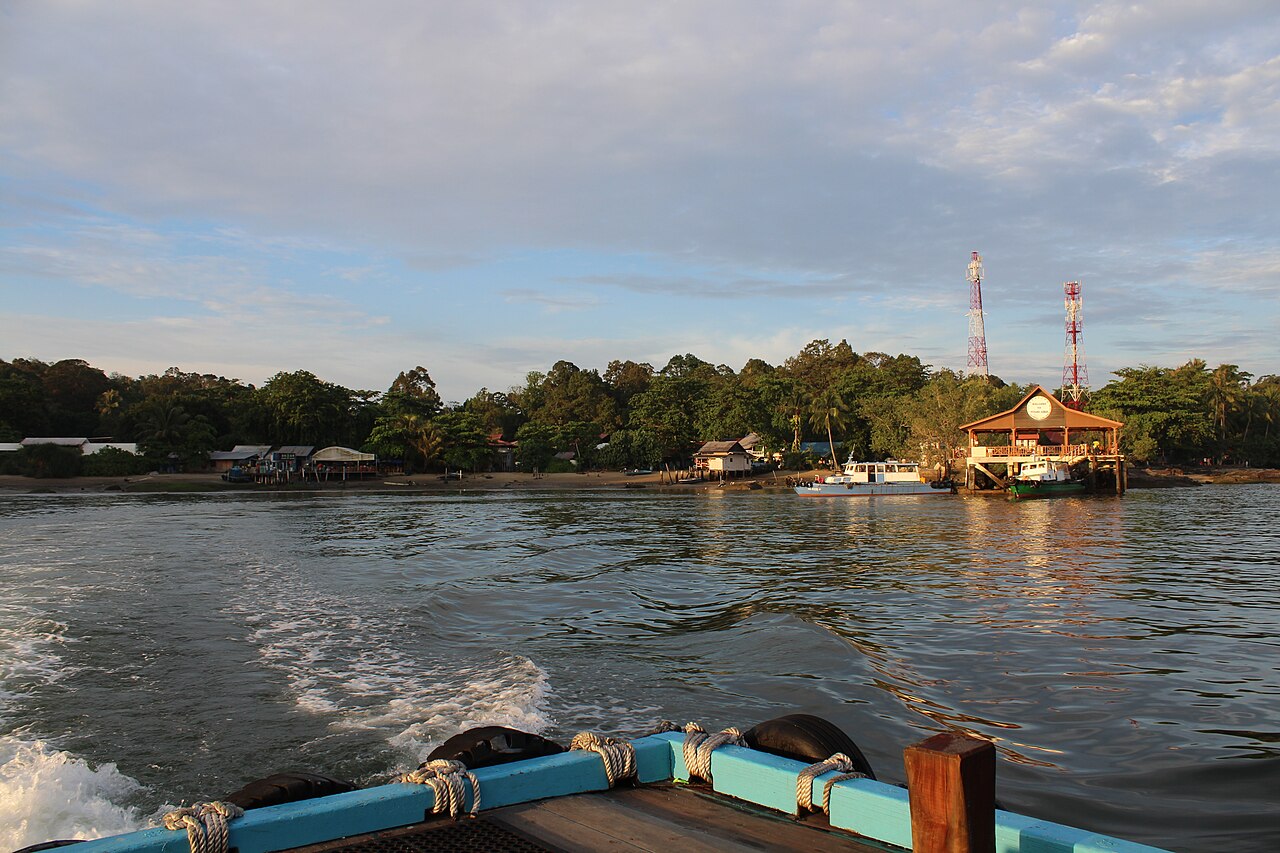
Pulau Ubin is a granite-quarry island off Changi where about a hundred people still live in stilted wooden houses, kampong-style. There are no high-rises, traffic lights or chain shops. You arrive by bumboat, rent a bicycle for the day, and ride out to Chek Jawa Wetlands — a low-tide ecosystem of mangroves, coastal forest, sandy shore and seagrass lagoon, all walkable on a boardwalk loop.
EW4 — then bus 2 to Changi Village Bus Terminal, then walk to the Changi Point Ferry Terminal for the bumboat to Ubin (about S$4–5 each way, cash, leaves when 12 passengers gather).
Plan: arrive 8–9am, rent a bike at the jetty (S$8–15 for the day), ride to Chek Jawa for the boardwalk, lunch at the kampong seafood places near the jetty, last bumboat back is around 7pm.
2. Coney Island Park — the wild side of Punggol
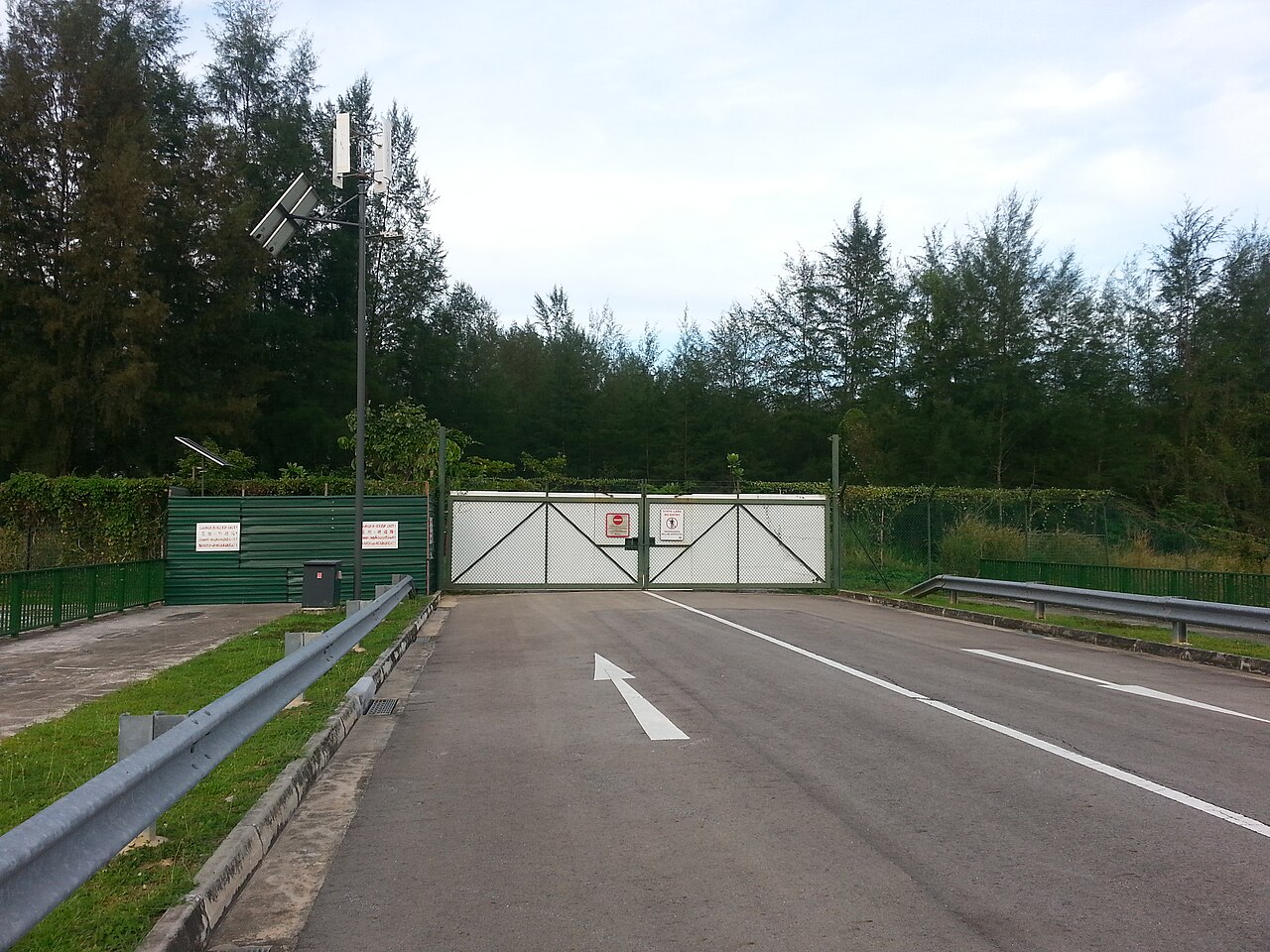
Officially Pulau Serangoon, this 80-hectare island has been deliberately left wild — coastal forest, casuarina groves, mangrove fringes, and a long sandy shore facing the Johor Strait. There's a 2.5km main path good for walking or cycling, and five themed beach areas to detour into. You can see a herd of stray cats, a few resident otters, and (in season) hornbills.
NE17 / PTC — then take the Punggol Promenade Nature Walk east for about 30 minutes, or rent a bicycle from Punggol Settlement and ride in. The west entrance is the more popular one.
Plan: pack water (no shops inside), wear closed shoes (sandy paths), bring a hat. Mornings or late afternoons only — midday on the open path is brutal.
3. Haw Par Villa — mythology park, 1937
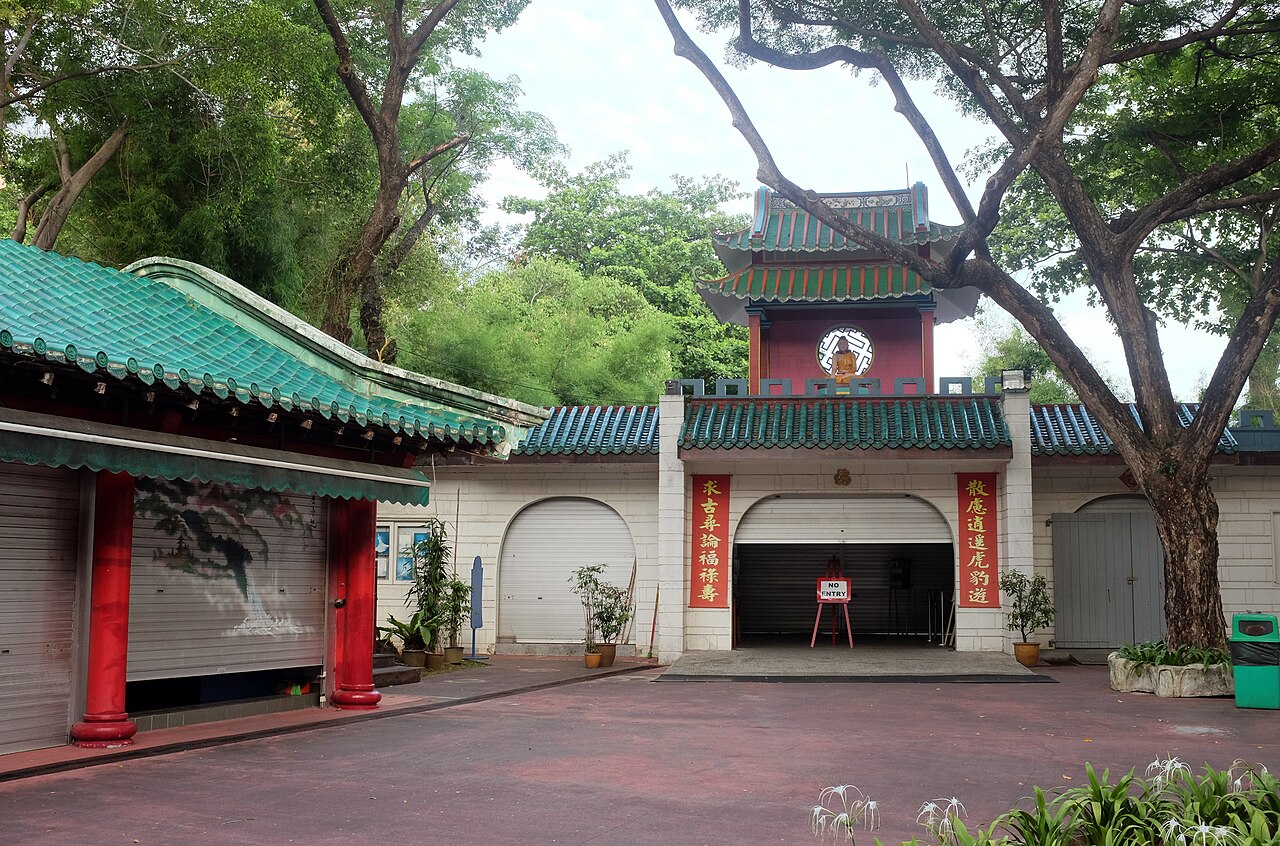
Haw Par Villa is a theme park unlike any other — built in 1937 by the brothers who invented Tiger Balm to teach Chinese folklore via thousands of brightly-painted concrete tableaux. The most famous (and unsettling) section is the Ten Courts of Hell, a walk-through diorama showing the punishments awaiting various sins in Chinese folk Buddhism. Charmingly weird, mildly traumatic, and completely free to enter the main park.
CC25 (Circle Line) — the station opens directly at the park entrance.
Plan: 1.5–2 hours, comfortable shoes, take photos liberally. The Hell Museum (the indoor extended Ten Courts) is a paid attraction — check current ticket pricing on site.
4. The Battle Box at Fort Canning — WWII underground
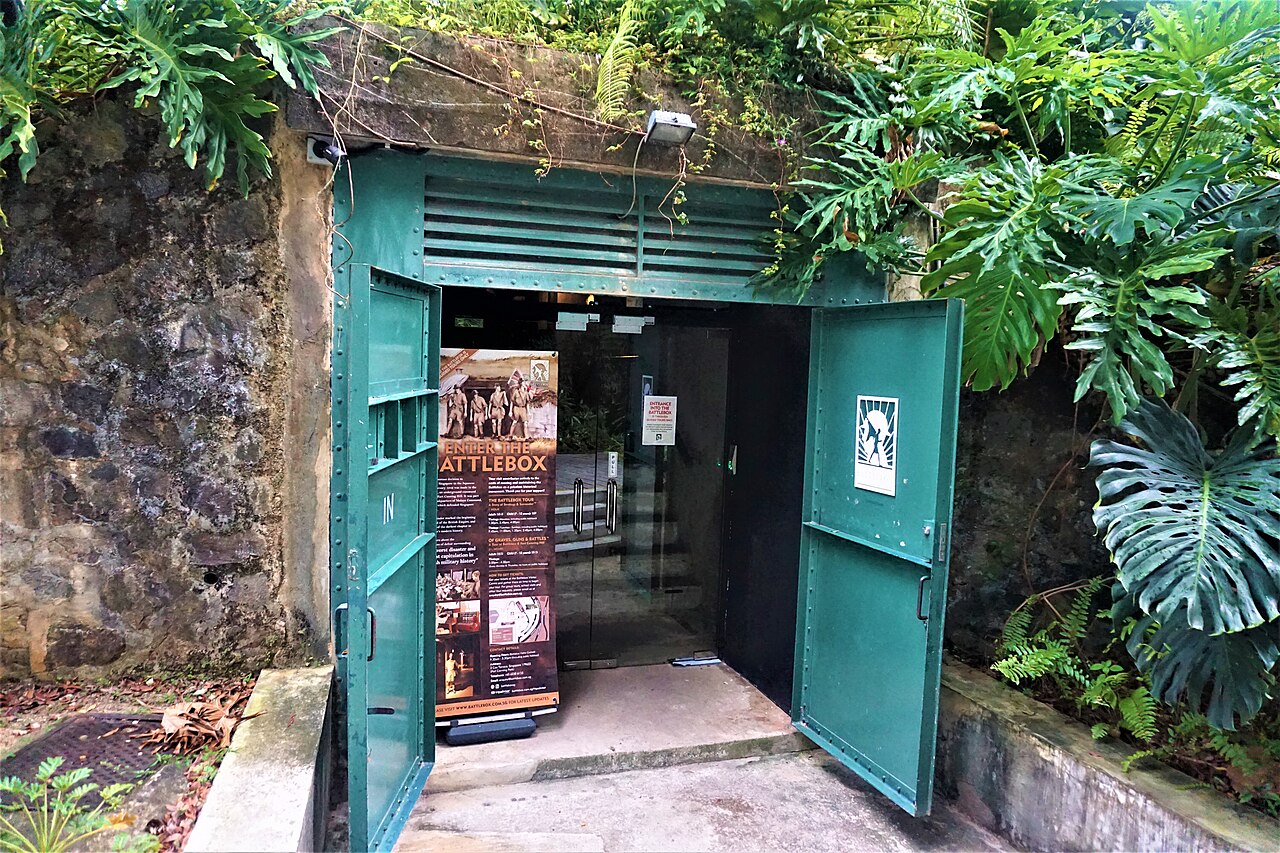
The Battle Box is a 9m-deep British underground command bunker on Fort Canning Hill — the room where, on 15 February 1942, Lieutenant-General Percival made the decision to surrender Singapore to the Japanese. Restored as a museum with original tunnels, period uniforms, and guided storytelling, it's one of the most emotionally affecting WWII sites in Southeast Asia.
DT20 — about a 10-minute uphill walk via Fort Canning Park's east gate.Dhoby Ghaut MRT ·
NS24 / NE6 / CC1 — longer walk but more scenic via the Fort Canning Park main entrance.
Plan: Battle Box tours are guided and timed — book online ahead. Combine with a walk around Fort Canning Hill's spice garden, the Cupolas, and the National Museum at the foot.
5. Sungei Buloh Wetland Reserve — mangroves at the edge
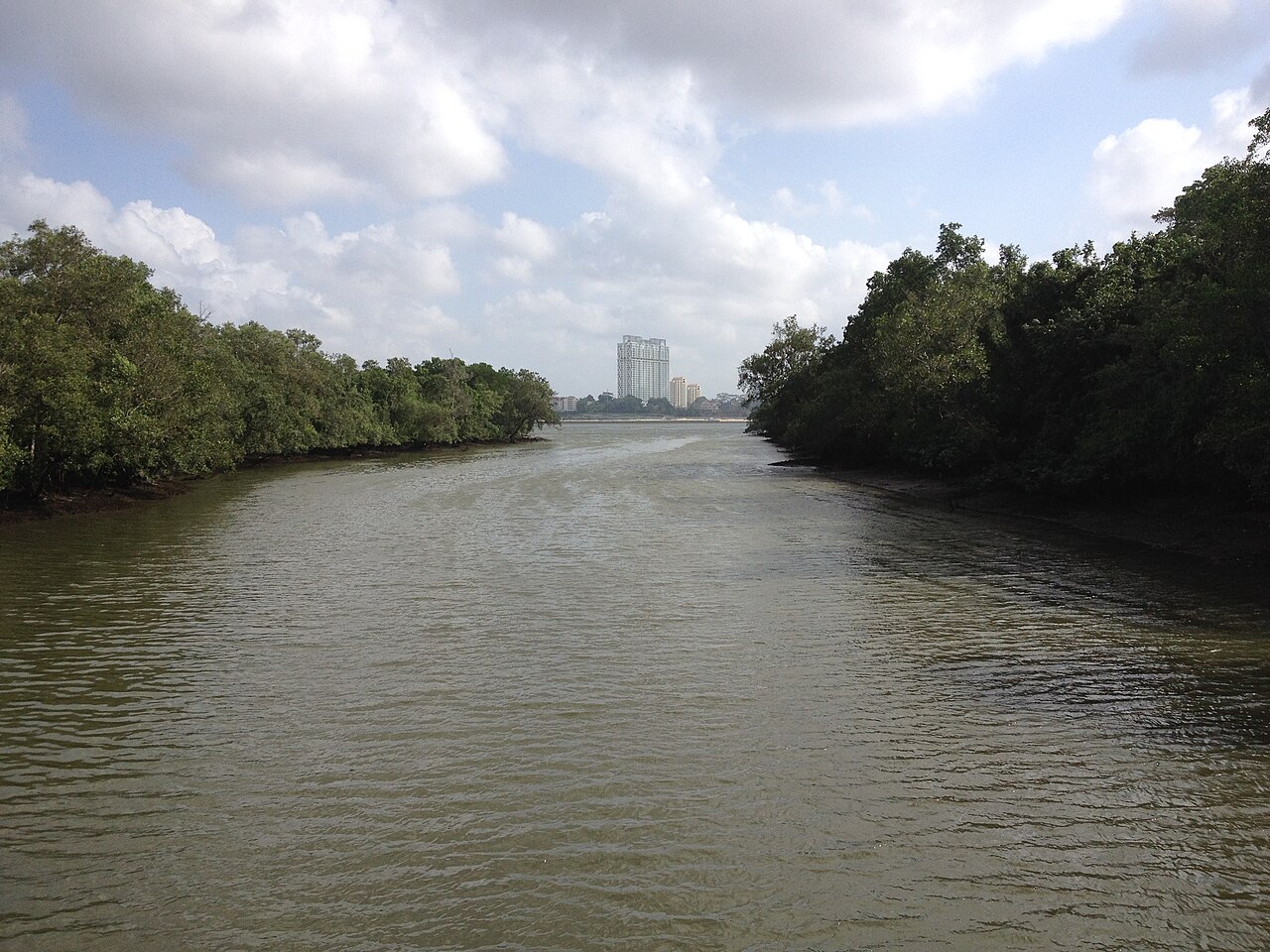
Sungei Buloh is Singapore's only ASEAN Heritage Park — a 130-hectare mangrove and mudflat reserve at the northwest corner of the island, looking across the strait to Johor Bahru. Walk the boardwalks at low tide and you'll see hundreds of mudskippers, tree-climbing crabs, monitor lizards, and (in migration season, September to March) thousands of shorebirds.
NS7 — then bus 925 from the Kranji bus stop straight to the visitor centre. Weekends only direct; weekdays you take 925 to a stop short and walk in.
Plan: arrive before 9am for cool air and bird activity, bring binoculars and water, follow the Migratory Bird Trail (1.95km, 1 hour) for the headline boardwalk loop. Closed-toe shoes recommended — the boards get slippery after rain.
Pair them up
If you have a long weekend, the five split well into two trips:
- East Singapore day: Pulau Ubin (morning) + Coney Island (afternoon if energy permits) — bring sunblock.
- City & West day: Battle Box at Fort Canning + Haw Par Villa — both on the Circle / Downtown line, easy to combine.
- North-west solo trip: Sungei Buloh deserves a whole half-day on its own.
Why GoBus SG helps here
Pulau Ubin's last bumboat doesn't wait for you, and Sungei Buloh's bus 925 only runs direct on weekends. Live arrivals + the trip planner mean you don't get caught at a reserve entrance after the last bus has left — pin the return bus and the home-screen widget will count down the next ride while you're still inside the park.
Open these stops in GoBus SG
Search any MRT or bus stop above for live arrivals across bus, MRT and LRT — with home-screen widgets and multi-modal trip planning.