Indonesia is Singapore's largest neighbour, and the Indonesian thread runs through the city in subtle ways — the Bugis sailors who settled around Kampong Glam, the Minangkabau Padang restaurants that anchor lunch in Tanjong Pagar, and the Hari Raya bazaar that takes over Geylang Serai every Ramadan. This guide picks out the places where the Indonesian story is easiest to see, taste and shop.
Getting there
The route runs from Geylang Serai in the east through Joo Chiat, with side trips into the central Kampong Glam and Tanjong Pagar districts. Start at Paya Lebar MRT.
EW8 / CC9Best exit: C for Geylang Serai market.
81111 (Geylang Serai) for buses 2, 7, 13, 21, 26, 51, 62, 63 — search any code in GoBus SG for live arrivals.
Stop 1 · Geylang Serai Market — the anchor
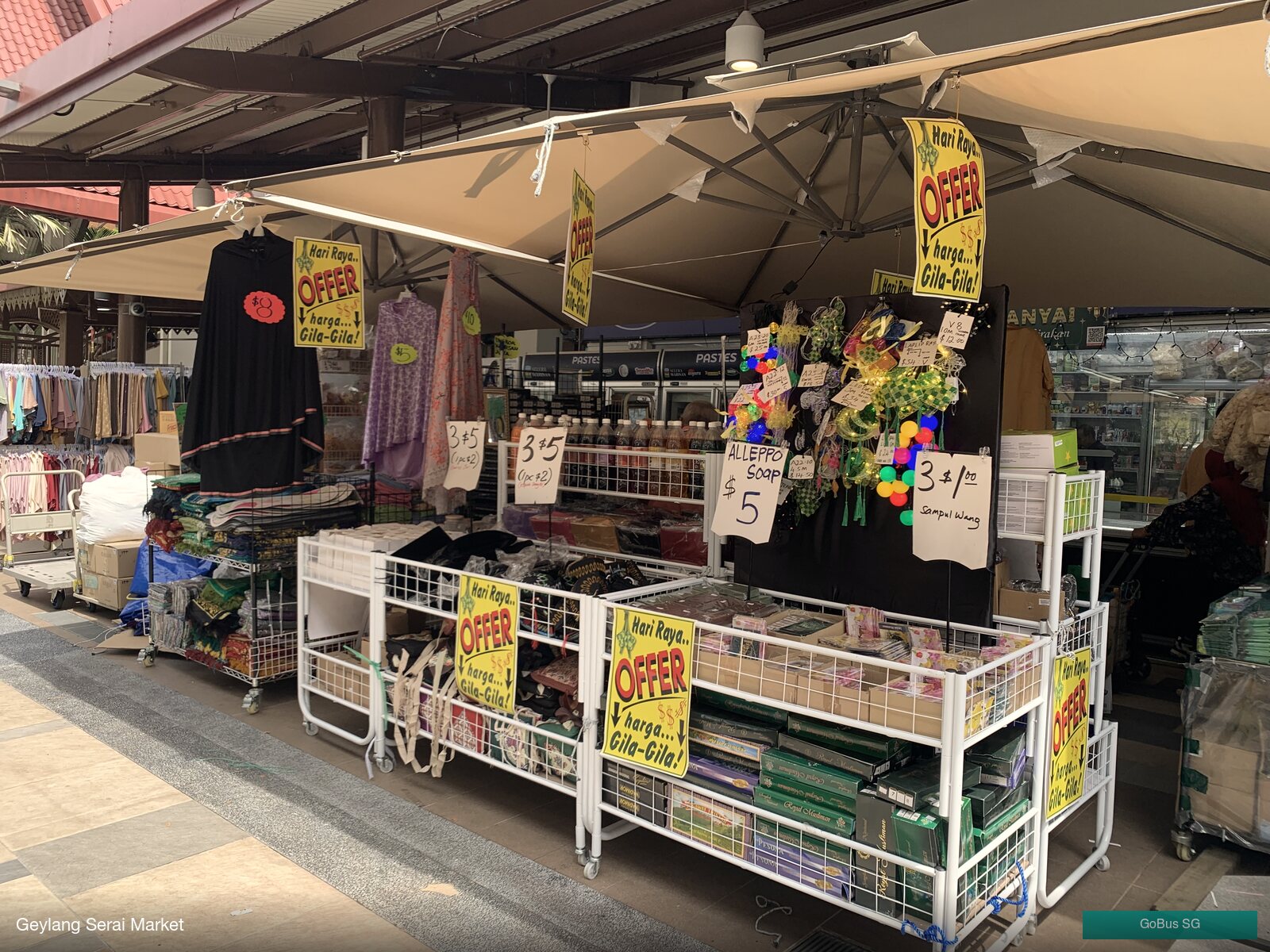
Pasar Geylang Serai is the largest Malay-Indonesian market in Singapore. The wet-market downstairs runs on a Sumatran-Javanese cadence — pomfret on ice, fresh sambal pastes, palm sugar discs, screwpine leaves and ready-made bumbu spice mixes. Upstairs, dozens of stalls sell batik by the metre, kebaya, prayer mats, songkok caps and Hari Raya supplies. The hawker centre next door is a fast tour through Malay-Indonesian cooking — nasi padang, mee rebus, mee soto, lontong.
Stop 2 · Geylang Serai Ramadan bazaar (seasonal)
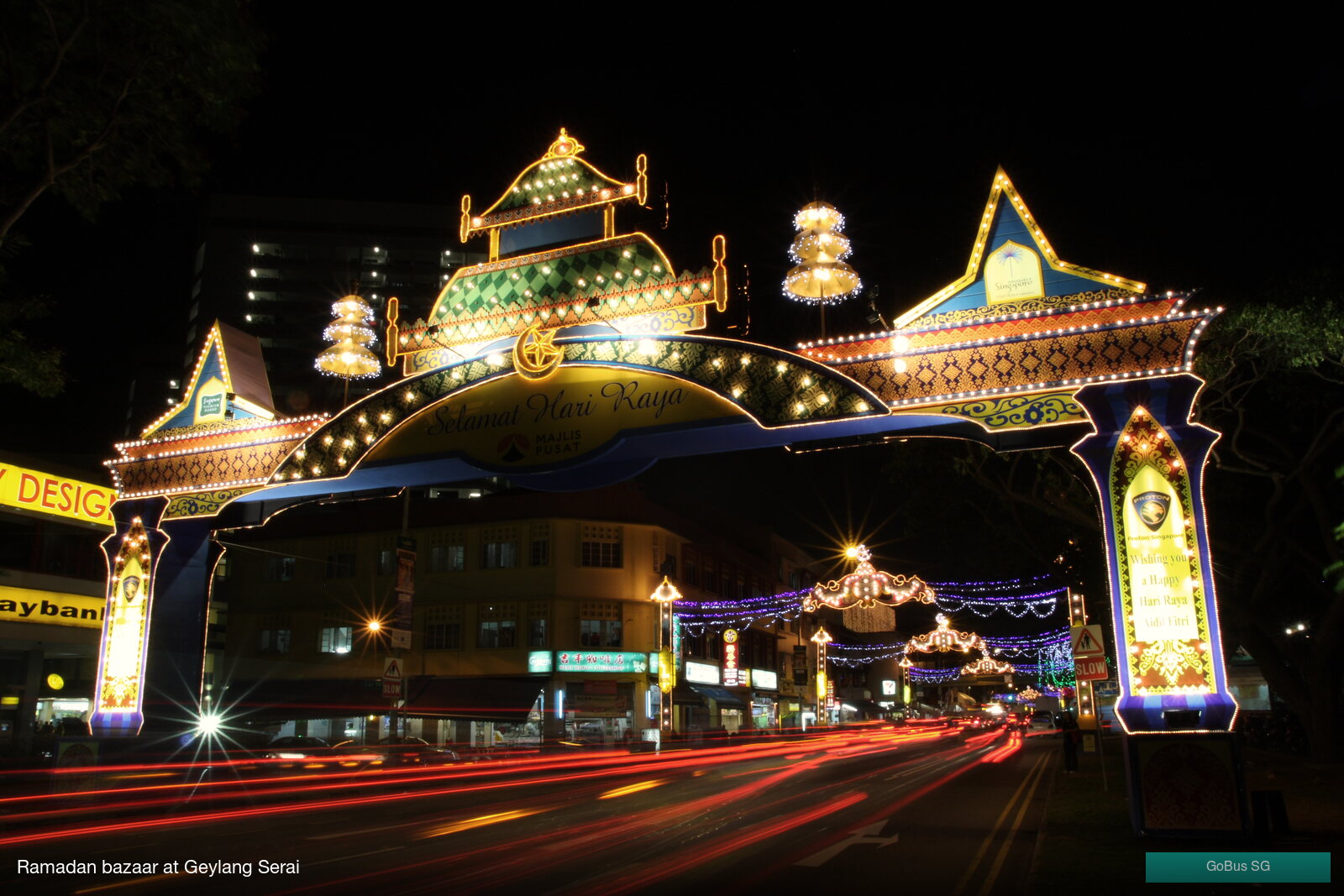
If you're in Singapore during Ramadan, Geylang Serai becomes the city's biggest night bazaar — hundreds of stalls along Sims Avenue selling Indonesian and Malay street food, fashion and household goods. Come for iftar at sundown when the stalls hit their stride. Even out of season, the festive street lighting goes up for Hari Raya Aidilfitri and Hari Raya Haji.
Stop 3 · Joo Chiat — the Peranakan-Indonesian crossover
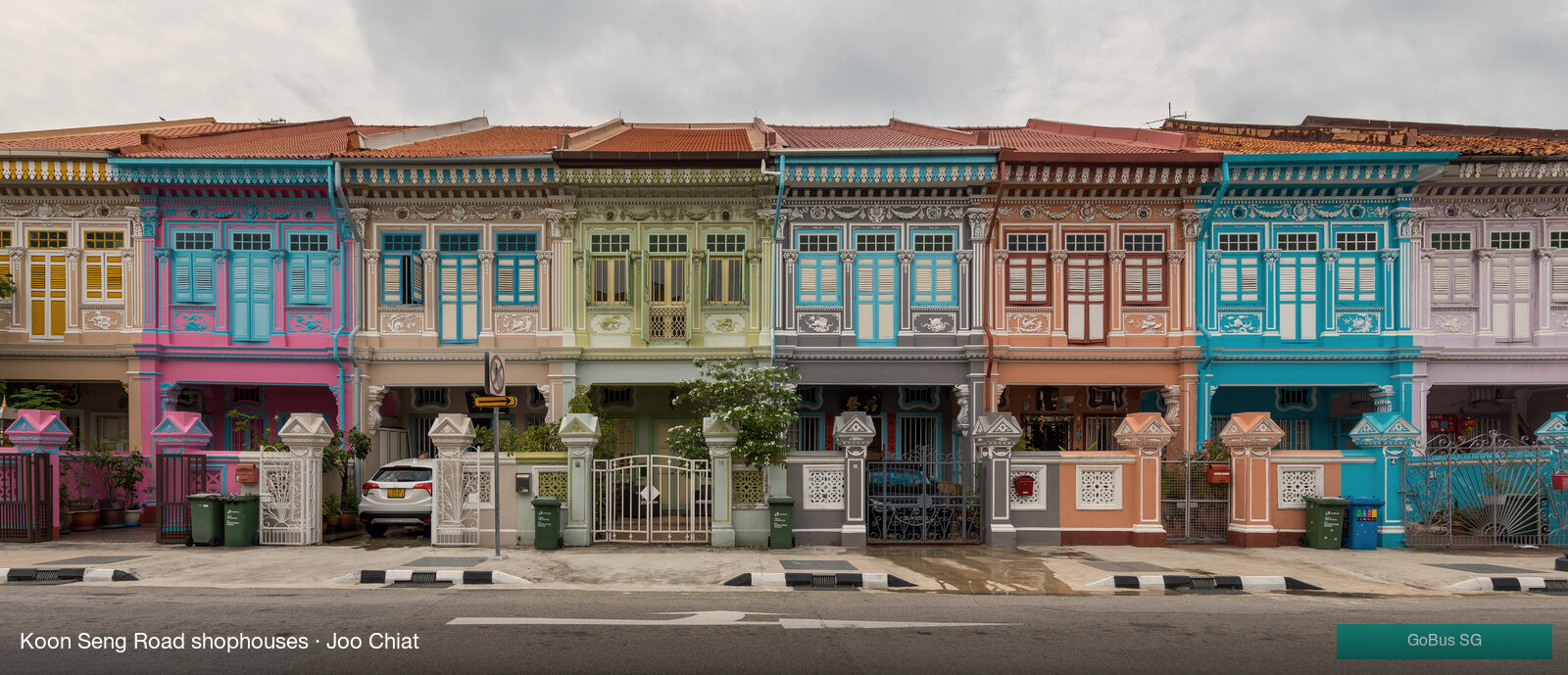
Walk south into Joo Chiat, Singapore's first Heritage Town — a long ribbon of two- and three-storey shophouses built between the 1920s and 1950s. The Peranakan Chinese (Straits-born Chinese) and Eurasian communities here both have deep Indonesian roots: many Peranakan families trace their early generations to Java and Sumatra, and the food shows it — ayam buah keluak, babi pongteh and laksa with a Sumatran-style coconut base. The pastel facades on Koon Seng Road are the most photographed; the food is on Joo Chiat Road and East Coast Road.
Stop 4 · Kampong Glam — the Bugis-Indonesian roots
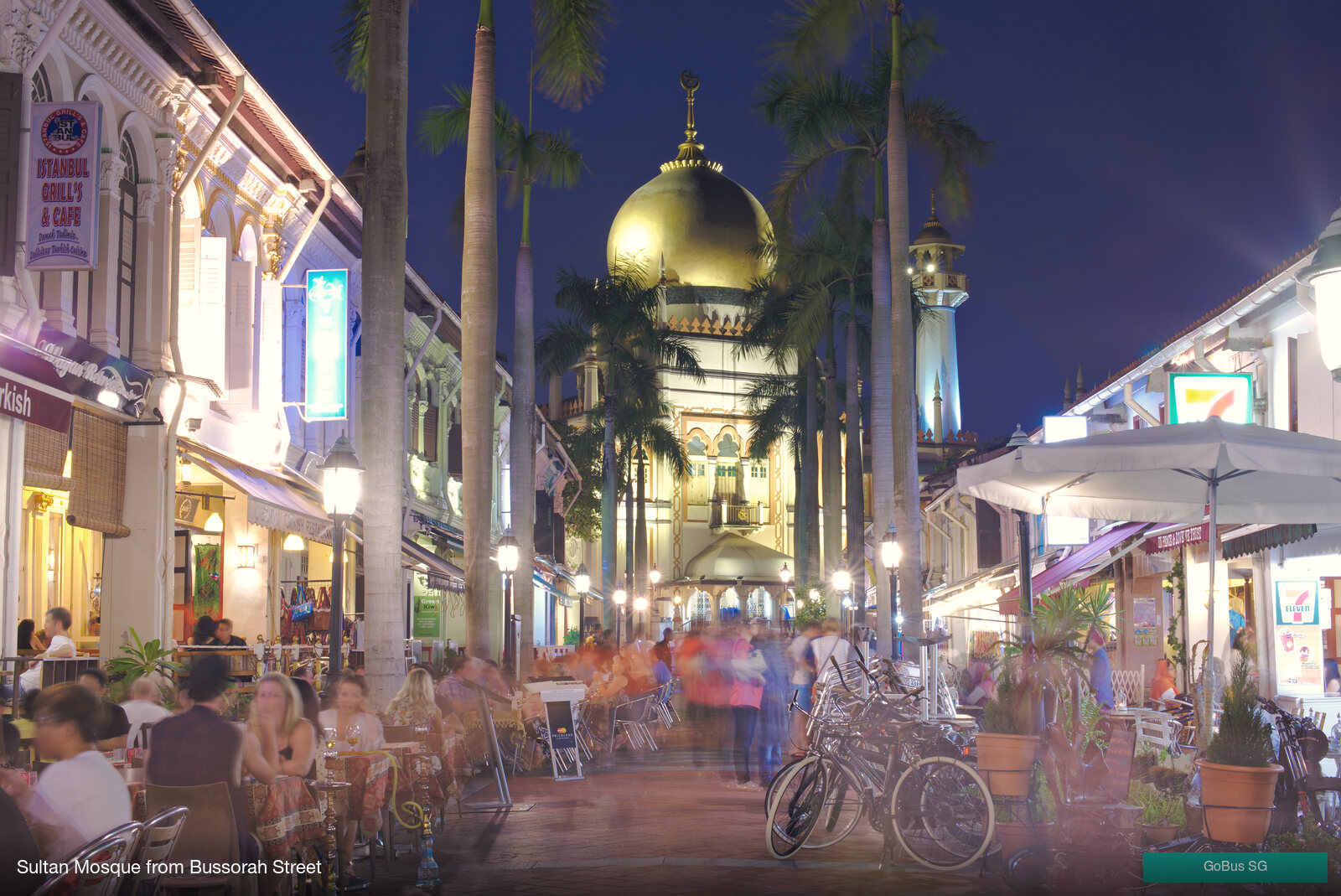
Take a bus or the MRT west to Kampong Glam. The original 1820s royal compound around Sultan Mosque housed the Sultan of Singapore and a Bugis sea-trading community from South Sulawesi. Today the area is a quiet stage on which to read that history: the Sultan Mosque itself, the Malay Heritage Centre at the restored Istana, and the textile shops on Arab Street that still sell Indonesian batik and songket by the bolt. (For the full district walk, see our Kampong Glam guide.)
Stop 5 · Tanjong Pagar — Padang and Nasi Padang lunch
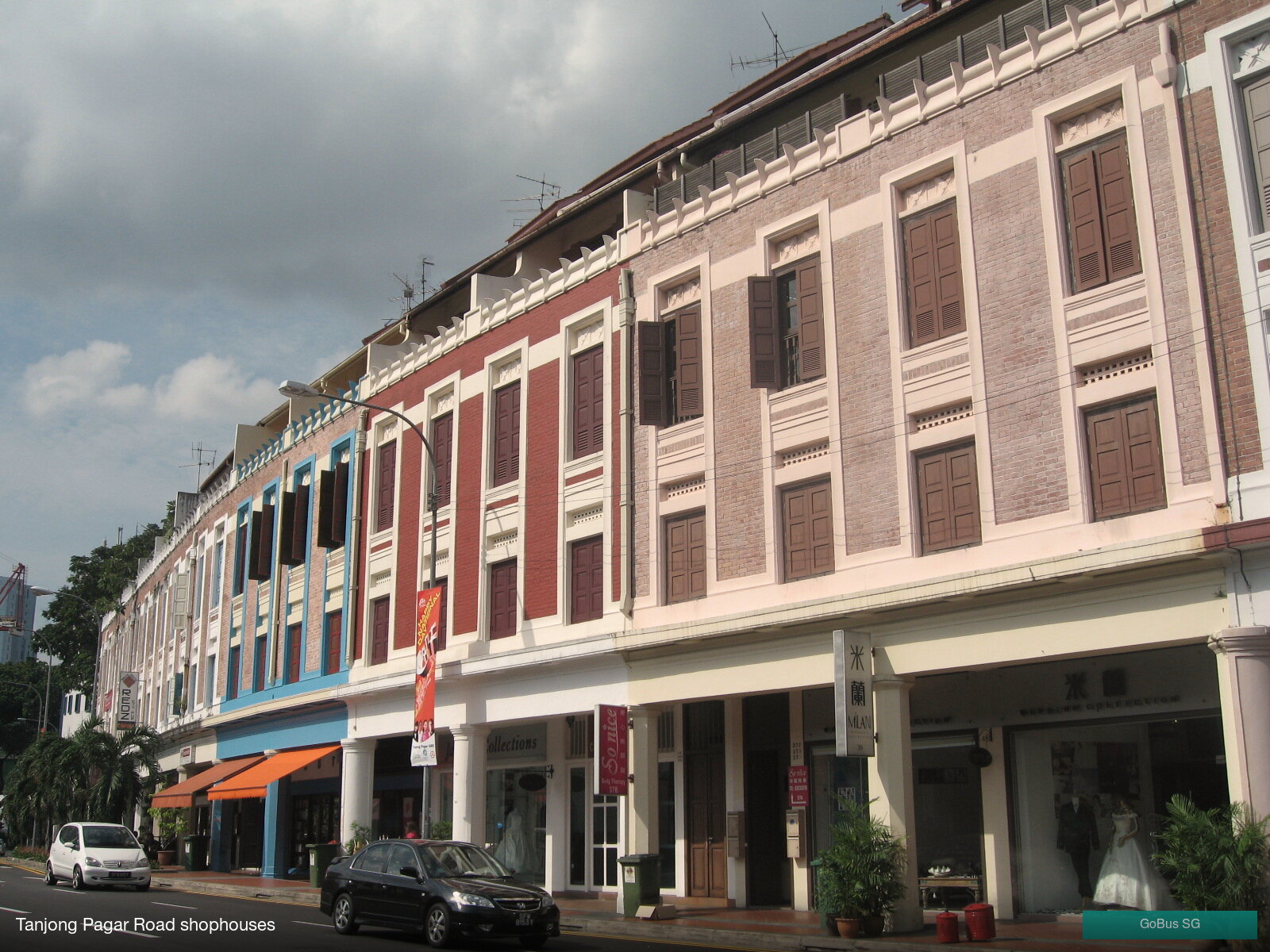
Hop on the East-West Line to Tanjong Pagar. The restored shophouse strip on Tanjong Pagar Road and Tras Street is one of the city's most concentrated lunch districts — with several long-running Indonesian and Padang restaurants among the Korean and Japanese newcomers. Try a nasi padang set (rice with rendang, sayur lodeh, telur balado) or a plate of nasi ambeng. Hjh Maimunah, the city's best-known Malay-Indonesian nasi padang, has a Jalan Pisang outlet not far away.
A walkable order
- Paya Lebar MRT (Exit C)
- Geylang Serai Market (wet market + textiles + hawker lunch)
- Walk down Joo Chiat Road — coffee at one of the Peranakan cafés
- Koon Seng Road shophouses (photos)
- MRT west to Bugis — Sultan Mosque & Arab Street textiles
- MRT to Tanjong Pagar — nasi padang dinner
- Tanjong Pagar MRT to head home
Best time to go
Geylang Serai is liveliest in the late afternoon and early evening. If you can time it for Ramadan (March–April depending on the year), the night bazaar runs after sundown and is one of Singapore's most atmospheric events. Joo Chiat is best mid-morning — cooler, with the cafés open and the shophouses well-lit.
Open these stops in GoBus SG
Search any stop code or station name above in GoBus SG for live bus, MRT and LRT arrivals — powered directly by LTA, with home-screen widgets and train service alerts.